
Sunglass Trends for Every Weather
Bright summer glare, low winter sun and everything in between — how to choose a lens for the light you actually get.


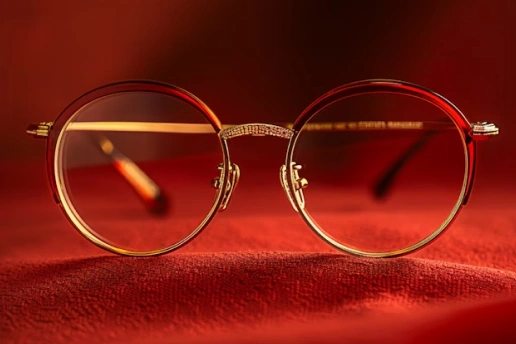
Summer is the easy case
High sun, high glare, and a dark grey or green lens that keeps colours honest. Grey is the neutral choice; green lifts contrast slightly without shifting what you see, which is why it has been the default on driving lenses for seventy years.
Winter is the one people get wrong
Low winter sun sits at eye level and reflects off wet roads, which is a harder problem than a bright July afternoon. A polarised amber or brown lens cuts that reflected glare and keeps the scene bright enough to see into shadow.
- Grey or green for high summer glare
- Polarised amber for low winter sun and wet roads
- A lighter tint for overcast days, not no tint
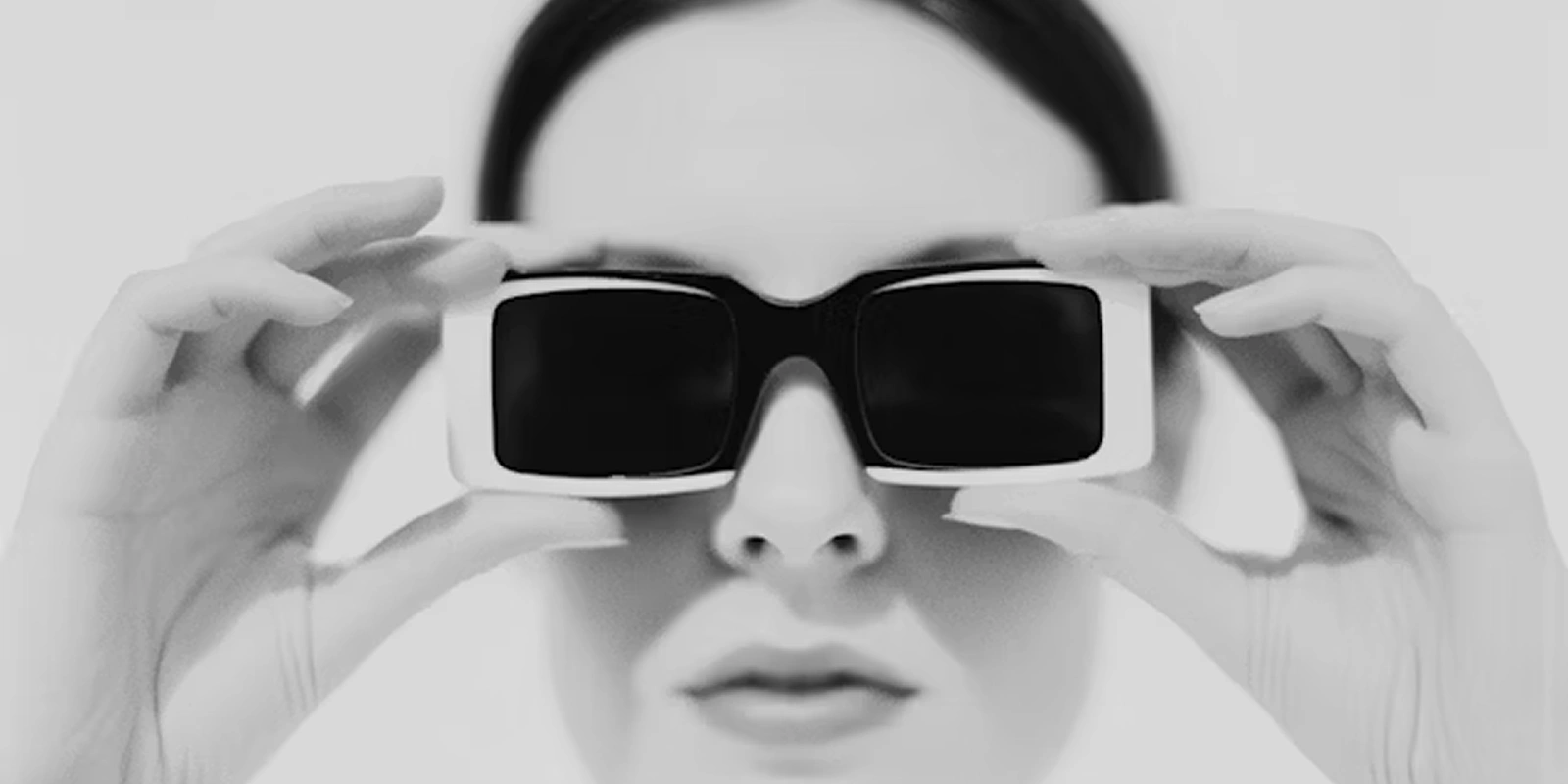
"The worst glare of the year is in February, at four in the afternoon, on a wet road."
Leo Carter
Overcast is not the same as indoors
Cloud cuts brightness but not ultraviolet, so a grey day is still a day to wear something. A lighter tint with the same UV400 rating gives you the protection without making everything look like dusk.


